

(Quick Answer)
Trauma-informed care is an approach that focuses on understanding how past experiences affect a person’s emotions, behavior, and overall well-being. Instead of judging reactions, it creates a safe and supportive environment that helps individuals heal at their own pace.
Why This Topic Matters More Than Ever
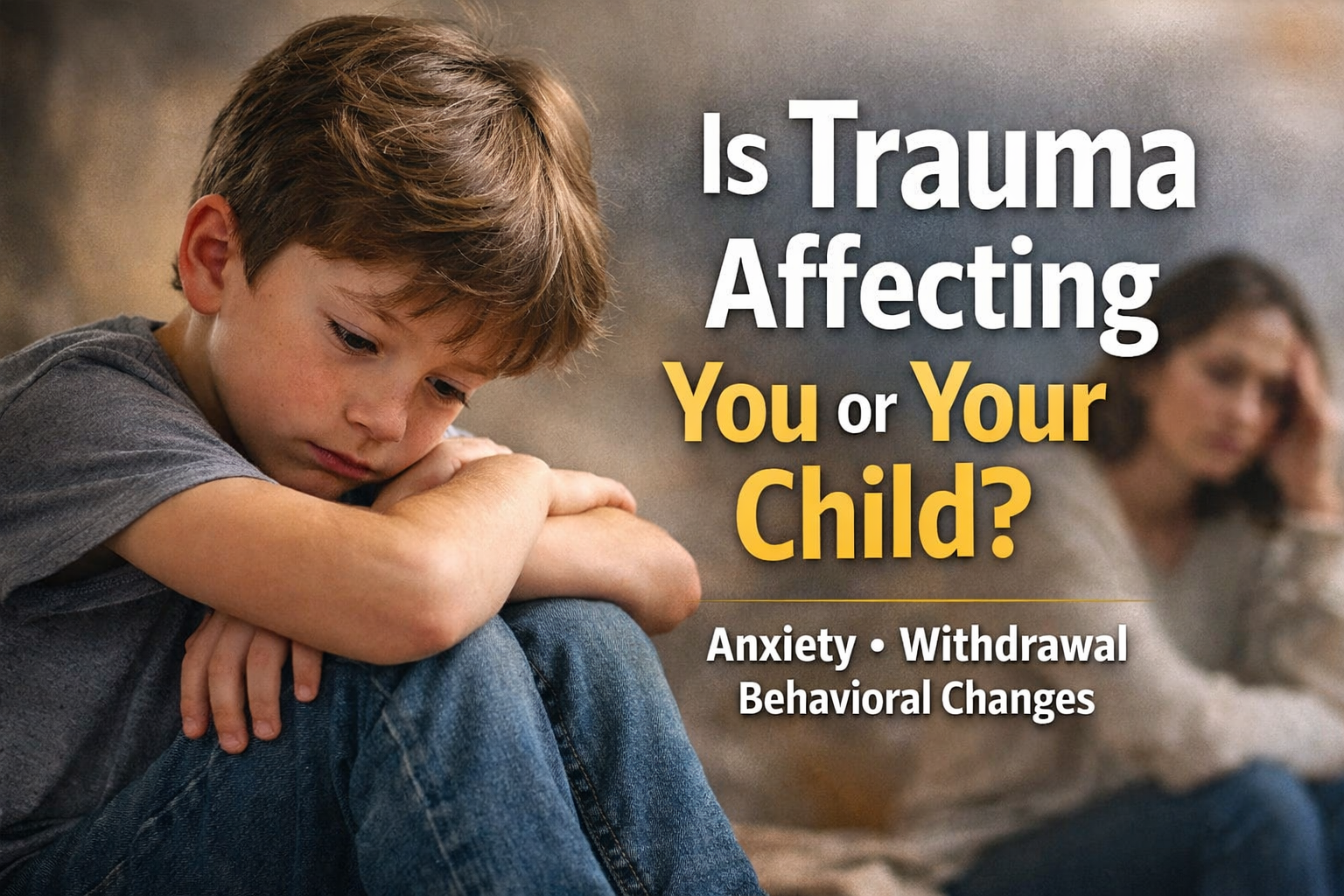
You or your child may appear “fine” on the outside, but internally something may feel overwhelming, confusing, or difficult to manage.
This can show up as anxiety, emotional outbursts, withdrawal, or a constant feeling of being stuck.
In many cases, these responses are not random — they are connected to past experiences that have not been fully processed. Trauma-informed care helps make sense of these patterns without judgment and provides a structured way to move forward.
How Trauma-Informed Care Works
Trauma-informed care shifts the focus from behavior to understanding.
Instead of asking:
“What’s wrong?”
It asks:
👉 “What happened, and how can we support healing?”
This approach is built around:
- Emotional safety
- Trust and consistency
- Understanding triggers
- Gradual healing instead of pressure
By creating a safe space, individuals begin to feel more in control of their emotions and responses.
Signs You or Your Child May Benefit From Trauma-Informed Care
Not all signs are obvious, which is why many people overlook them.
You may benefit from support if you notice:
- Ongoing anxiety or emotional overwhelm
- Sudden mood changes or irritability
- Withdrawal from others
- Difficulty focusing or feeling present
- Trouble trusting people
- Feeling emotionally numb or disconnected
For children, this may appear as behavioral changes, difficulty in school, or challenges expressing emotions.
If these patterns continue, it may be time to explore support.
How Trauma-Informed Care Helps in Real Life
Trauma-informed care focuses on long-term improvement, not temporary fixes.
Over time, it can help:
- Improve emotional stability
- Reduce anxiety and stress
- Strengthen relationships
- Build healthier coping strategies
- Restore a sense of safety and control
For children, the benefits are even more impactful. With the right support, they begin to feel understood, which allows them to develop confidence and emotional balance.
Trauma-Informed Care vs Traditional Approaches
| Traditional Approach | Trauma-Informed Care |
|---|---|
| Focus on behavior | Focus on experiences |
| Quick corrections | Long-term healing |
| “What’s wrong?” | “What happened?” |
| One-size-fits-all | Personalized support |
This difference is what makes trauma-informed care more effective for individuals dealing with deeper emotional challenges.
How Trauma Affects Children and Behavior
Children often do not have the ability to express what they are feeling.
Instead, trauma may show up as:
- Anger or frustration
- Withdrawal or silence
- Difficulty concentrating
- Sudden behavioral changes
These are not just “behavior problems.” They are often signs that the child is struggling internally.
Trauma-informed care helps adults understand these signals and respond with support rather than punishment.
Real-Life Example
A child who suddenly becomes disruptive in school may not be misbehaving intentionally.
They may be reacting to stress, fear, or past experiences they don’t fully understand.
With trauma-informed care:
- The behavior is understood
- The child feels supported
- The focus shifts from punishment to healing
This creates lasting positive change.
When Should You Consider Getting Support?
Many people wait too long before seeking help.
The reality is, early support can make a significant difference.
You should consider reaching out if:
- Emotional challenges affect daily life
- Your child’s behavior changes noticeably
- You feel stuck or overwhelmed
- Things are not improving over time
You don’t need to have everything figured out. Taking the first step is enough.
You’re Not Alone — And Support Is Available
These experiences are more common than people realize.
Many individuals and families go through similar challenges but don’t talk about them.
With the right support, things can begin to feel clearer, more manageable, and less overwhelming.
Taking the First Step Toward Healing
If you or your child are experiencing any of these challenges, exploring trauma-informed care can be a meaningful step forward.
Working with a supportive, experienced team can help you understand what’s happening and guide you toward real solutions.
👉 Reaching out today could be the first step toward feeling better.
Frequently Asked Questions
What is trauma-informed care in simple terms?
It’s an approach that focuses on understanding past experiences and how they affect current emotions and behavior, while creating a safe space for healing.
Is trauma-informed care suitable for children?
Yes. It is especially effective for children because it helps them feel safe, understood, and supported.
How long does trauma-informed care take to work?
Every individual is different. Some may see improvements early, while deeper healing takes time and consistency.
Do I need a diagnosis to get support?
No. You don’t need a formal diagnosis. If something feels off, it’s enough reason to explore support.
Can trauma-informed care help with anxiety?
Yes. It helps address the root cause of anxiety rather than just managing the symptoms.
Final Thoughts
Understanding trauma-informed care is not about labeling yourself or your child — it’s about gaining clarity and finding a better way forward.
If you’ve recognized some of the signs or patterns discussed here, it simply means you’re becoming more aware of what’s really going on beneath the surface. And that awareness is an important first step.
Healing doesn’t happen overnight, and it doesn’t have to be rushed. What matters is having the right kind of support — one that feels safe, respectful, and aligned with your needs.
If you or your child are going through challenges that feel difficult to manage alone, exploring trauma-informed care could help bring a sense of direction and understanding.
👉 You don’t have to figure everything out on your own. Support is available — and taking that first step can make a meaningful difference.